Matching into competitive surgical specialties as an IMG is the hardest thing in the residency match. It is also possible. Every year, a small number of Caribbean and non-U.S. IMGs match into neurosurgery, orthopedic surgery, plastic surgery, ENT, and urology. I was one of them. Here’s the playbook.
The honest landscape
Let’s start with the numbers. For non-U.S. IMGs in 2024–2026 NRMP data:
- Neurosurgery: 1–3 IMGs match per year nationally. Several hundred IMGs apply.
- Orthopedic Surgery: 5–15 IMGs per year.
- Plastic Surgery: 0–2 per year (integrated).
- ENT: 3–8 per year.
- Urology: 3–10 per year.
- Dermatology: 1–5 per year.
These are small numbers. They are not zero. Applicants who match share a specific profile.
The profile of a matched IMG in a competitive surgical specialty
From observed data across the last 5 years, the applicants who match share nearly all of the following:
- Step 2 CK at or above the U.S. MD mean for the specialty. For neurosurgery, that’s 260+. Plastics and Derm, 260+. Ortho, 252+.
- A Step 1 pass on first attempt. No retakes. (Exception: extraordinarily strong Step 2 CK + research + letters can occasionally compensate for a retake, but it’s a real strike.)
- 5–15+ research products in the target specialty, including at least 2–3 peer-reviewed first-author publications.
- 2–4 U.S. away rotations, with at least one at a top-15 program in the specialty.
- Letters from U.S. academic faculty — at least 2 from people who can credibly say they’d train you.
- A meaningful U.S. medical school or hospital connection — alumni, research collaborator, mentor. Very few IMGs match without at least one.
- Often: a research year at a U.S. academic program.
- An unambiguously strong interview day — no weak interviews, no red flag encounters.
If you are missing more than one of these, the match is a long shot. If you have them all, the match is realistic — not guaranteed, but realistic.
The 24-month plan
Working backwards from ERAS submission (early September), here’s what the last 24 months look like.
Months 24–18 before ERAS (MS2 year)
- Commit to the specialty.
- Start at least 2 research projects with U.S. academic PIs. Aim for 1 case report + 1 systematic review + 1 ongoing chart review.
- Step 1 — pass on first attempt. No retake.
- Identify a U.S. mentor in your target specialty. Monthly check-ins.
- Begin attending your specialty’s national conference (as a student attendee, virtually if travel is impossible).
Months 18–12 before ERAS (MS3 year, clinical rotations)
- Core clinical rotations — prioritize U.S. academic sites wherever possible.
- Step 2 CK — targeted toward dedicated study June–August of MS3.
- Research products continue. Target 1–2 completed papers by end of MS3.
- Build VSLO applications for away rotations.
- Secure 1–2 letter-writers from core rotations.
Months 12–6 before ERAS (MS4 summer + fall)
- 2–4 away rotations. These are the single highest-leverage thing you will do. Go big.
- Each away should generate at least one strong letter. Ideally, a chair or PD letter from one.
- Step 2 CK — ideally taken by end of summer, score back before ERAS opens.
- Step 3 — take before ERAS if possible (eligibility for H-1B).
- Personal statement — draft by July, polished by August.
- Research projects — push everything to “submitted” or “published” status by September.
Months 6–3 before ERAS (submission)
- ERAS submission in early September.
- Program list finalized — 80–120 programs for competitive surgical specialties.
- Signals allocated strategically across tiers.
- Interviews begin October–November.
Months 3–0 before match (interview season)
- Interview everywhere you’re offered.
- Mock interviews. Thank-you notes. Specific questions for each program.
- Rank list by late February.
The away rotation as the single highest-leverage step
For competitive surgical specialties, the away rotation is not optional. It is the single best opportunity to:
- Work directly with faculty who can write detailed, specific letters
- Show up as “one of us” for a full month
- Prove you function at the level of a U.S. MD sub-intern
- Earn an interview invite that would not otherwise happen
Four rules:
- 2 aways at the bare minimum; 3–4 is standard for the most competitive specialties.
- Pick programs you’d actually want to train at — not just “big names.” Programs interview away rotators at much higher rates than cold applicants, so every away is a near-guaranteed interview.
- Show up in peak form. The first week is the evaluation. Be early, stay late, take the unglamorous tasks, read constantly. No cutting corners.
- Have a letter request plan before you start. Ask the attending you want a letter from by week 3 at the latest.
Research as the gap-closer
For every competitive specialty, research is where IMGs close the gap with U.S. MDs. Double the median number of research products for U.S. MDs in your specialty. That means:
- Neurosurgery median for U.S. MD is ~15 products — IMG target 25–30.
- Plastic surgery median is ~20 products — IMG target 30–35.
- Dermatology median is ~10 products — IMG target 15–20.
Mix of types:
- 2–5 peer-reviewed first-author publications
- 3–6 co-authored peer-reviewed publications
- 5–10 abstracts / posters at national or regional meetings
- 1–2 ongoing major projects at submission
A single first-author paper in the specialty’s flagship journal outweighs ten posters. Quality matters — but quantity signals sustained commitment.
The research year — when competitive surgery applicants do it
For most applicants to ultra-competitive surgical specialties, a research year is standard. Caribbean IMGs who match into neurosurgery or plastic surgery frequently do 1–2 research years at U.S. academic programs.
Benefits of a research year:
- Physical presence at a U.S. academic institution
- Sustained mentorship from faculty
- Large enough time window to complete 3–5 high-quality publications
- Network — faculty, residents, fellow research fellows
- Demonstrated commitment to the specialty
Trade-offs:
- 1–2 years of unpaid or low-paid work
- Delayed income from residency
- Opportunity cost if the year doesn’t produce strong outputs
If you take a research year, maximize it:
- Set publication targets at the start (3+ first-author papers is realistic)
- Don’t spread across too many projects
- Attend every departmental conference
- Present at national meetings
- Use the year to secure letters from senior faculty — a research letter from a department chair is gold
Letters — the non-negotiables
For competitive surgery:
- 3–4 letters in-specialty, 1 chair letter. Mix from home + away institutions.
- At least 2 from U.S. academic programs.
- One ideally from a program director, chair, or nationally recognized figure.
- All letters waived and submitted by October 1.
A strong letter in neurosurgery sounds like: “One of the top students I have worked with in 10 years. Will match here if we rank him high enough.” A generic letter reads: “Good student, hardworking, recommended.” The difference is a match vs. SOAP.
Program list construction for competitive surgery
- 60–120 programs. Apply broadly — the interview-to-application ratio is low, so volume is essential.
- 70% IMG-friendly + have a connection (away, research, alumnus)
- 20% realistic programs where your numbers are at or above median
- 10% stretch programs — apply even without connection, in case you get lucky
Use every signal you have.
The interview — small errors matter more
In competitive surgery, interview margins are razor-thin. The top 40 applicants in neurosurgery are often all credentialed at similar levels. The match often comes down to who felt like they’d be the best resident.
Practical implications:
- Over-prepare. 5+ mock interviews.
- Be exceptional at anchor stories — a single great story can be the thing a committee remembers.
- Research every interviewer individually. Faculty talk; they reference conversations in ranking meetings.
- Handle the “why surgery” and “why [subspecialty]” questions at the level of a current resident, not a hopeful student.
What if you don’t match?
Reapplication to competitive surgical specialties is common and viable. The strongest reapplication plan:
- Preliminary surgery year (research-heavy if possible) — provides U.S. academic exposure.
- Research year during or after prelim — adds 5–10 more publications.
- New letters from U.S. academic faculty you worked with in the prelim.
- New personal statement reflecting a year of additional training and clarity.
- Revised program list — the insights from your first cycle sharpen your second.
Reapplicants who match into competitive surgical specialties in their second cycle are not rare. A second cycle with a strong prelim + research often outperforms the first.
A word on realistic optimism
Matching into a competitive surgical specialty as an IMG is hard. It is also the single most rewarding professional decision I have ever made. If you are committed to it, build the plan, execute it relentlessly, and seek mentorship from people who have walked the path.
The match rewards preparation and reality-testing. Every year, a small number of IMGs prove the “impossible” wrong. The difference between those applicants and the ones who don’t match is rarely talent — it’s strategy, execution, and mentorship.
That is what we do every day.
Ready to stop guessing and start matching?
Book a free 30-minute strategy call with Tyler and the Ranked to Match team — no pitch, no obligation.
Book a Free Consultation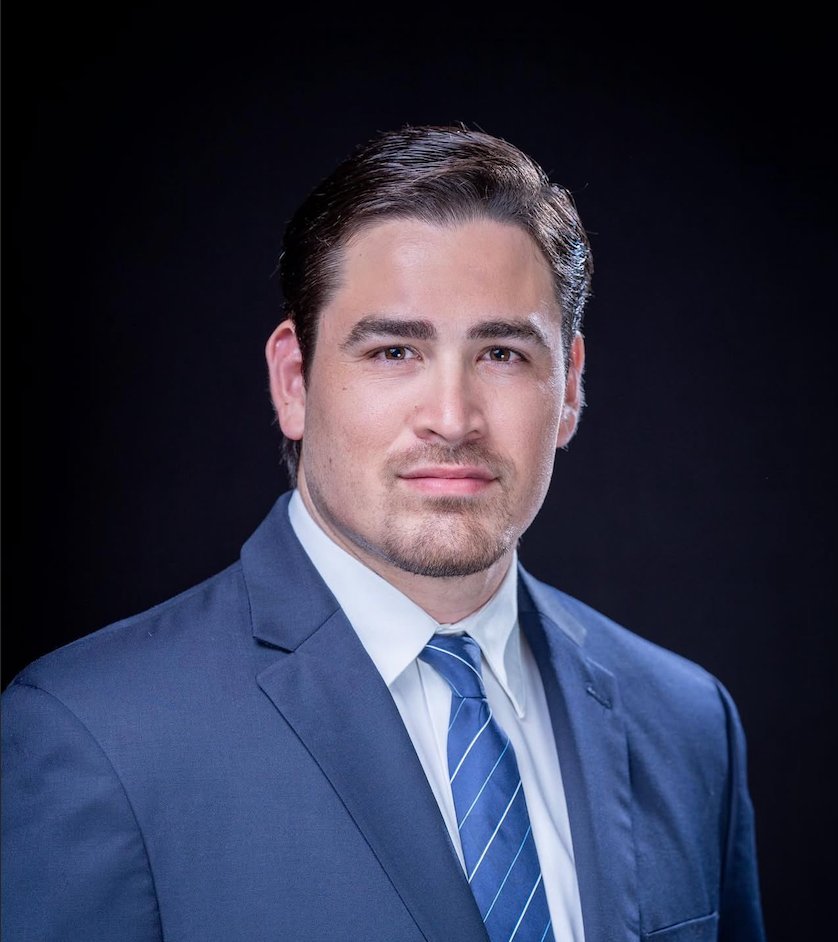
Tyler Warner
Tyler matched into neurosurgery from a Caribbean medical school and founded Ranked to Match to help other IMGs and DOs match into competitive residencies. Every post is written from direct experience.