Every IMG I’ve coached has had the same two questions about USMLE: What score do I actually need? and Am I doing this wrong? After several years of tutoring IMGs and matching into a competitive specialty myself, I can tell you exactly what the data shows — and the specific mistakes to avoid.
Step 1 — Still matters more than you think
Step 1 is pass/fail, but that doesn’t mean it’s irrelevant. Here’s what programs can still see (and do):
- Your Step 1 pass date — meaning if you failed once before passing, that is known.
- The fact that you passed. A fail is a hard stop at many screens.
- The existence of predicted score percentiles from NBME assessments, which some programs (especially competitive ones) can infer from the timeline of your test-taking.
Target: Pass on first attempt. Every week delaying Step 1 risks extending your ERAS timeline and reducing time for Step 2 CK prep.
Step 1 resource stack (what IMGs actually use)
- First Aid — your anchor text. Every concept on Step 1 is mapped to First Aid. Annotate it with everything else.
- UWorld Step 1 Qbank — two full passes minimum. First pass tutor mode, second pass timed random.
- Anki — AnKing deck. 100–250 cards/day during dedicated.
- Pathoma — pathology base.
- Sketchy Micro/Pharm — for the rote memorization blocks.
- Boards and Beyond or Dirty Medicine — for anything you don’t understand in First Aid.
- NBME self-assessments — the single best predictor of your actual score. Take 6–8 in the last 6 weeks.
- UWSA 1 + 2 — take these in the final 2 weeks.
Step 1 timeline
- 6–8 weeks of dedicated study is standard for IMGs.
- Start UWorld in MS2, not during dedicated. A first pass during coursework is standard.
- NBME week-over-week: score should climb 1–3 points per week during dedicated. If it’s flat for 2 weeks, change your strategy.
Step 2 CK — The score that actually matters now
Step 2 CK is the single most important quantitative data point on your application. For IMGs, aim high.
Target scores (2026 IMG matched means, approximate)
| Specialty | U.S. MD mean | IMG target (10+ over) |
|---|---|---|
| Neurosurgery | 256 | 265+ |
| Dermatology | 256 | 265+ |
| Plastic Surgery | 254 | 264+ |
| Orthopedic Surgery | 252 | 262+ |
| ENT | 254 | 264+ |
| Ophthalmology | 249 | 259+ |
| Urology | 251 | 261+ |
| Diagnostic Radiology | 246 | 256+ |
| Anesthesiology | 244 | 254+ |
| EM | 242 | 252+ |
| Gen Surgery | 243 | 253+ |
| OB/GYN | 238 | 248+ |
| Internal Medicine | 239 | 249+ |
| Pediatrics | 235 | 245+ |
| Psychiatry | 234 | 244+ |
| Family Medicine | 229 | 239+ |
These numbers move by 2–3 points a year. What doesn’t change: IMG applicants who score at or above the U.S. MD mean for their specialty have dramatically better interview yields than those below.
Step 2 CK resource stack
- UWorld Step 2 CK Qbank — absolute primary. Two full passes. Second pass timed random.
- Amboss — for harder edge-case content, especially if you’re targeting 250+.
- Divine Intervention podcasts — free, high-yield, especially for the “how does the real test think?” layer.
- Master the Boards Step 2 CK — as an anchor text.
- NBME self-assessments (11, 12, 13, 14, 15) — the best predictors.
- UWSA 1, 2, 3 — take in the final 3 weeks.
- CMS shelf forms — for specialty-specific weak points.
Step 2 CK timeline
- 4–6 weeks dedicated is standard. 8 weeks if you’re in a clinical block.
- Start UWorld Step 2 during MS3 — one pass alongside core rotations. By the end of MS3 you should be 80%+ through the Qbank.
- Rule for dedicated: 40–60 UWorld questions per day, reviewed thoroughly, plus 250 Anki cards, plus one full NBME per week.
The single biggest IMG mistake on Step 2 CK
Delaying the test “until I’m ready.” I’ve watched applicants push their test date three or four times, each time thinking they’ll be stronger. They weren’t. Their NBME scores plateaued, their time ran out, and they submitted ERAS with a score that did not reflect their real potential.
Book the test. Commit. Study as if the date is fixed. That’s how you score 10 points above your average.
Step 3 — The underrated lever
Step 3 is technically required after match for most applicants, but taking it before applying is a high-yield move for IMGs.
Why take Step 3 before ERAS?
- It completes your H-1B eligibility — a meaningful differentiator for programs that sponsor visas.
- A strong Step 3 score can partially offset a weaker Step 1/2 CK.
- It signals seriousness and preparation to residency PDs.
When to take Step 3
- Ideal: between Step 2 CK and ERAS submission (April–July of application year).
- Acceptable: first 6 months of internship.
- Avoid: pushing it into PGY-2 — you’ll forget the didactic content and resent the time.
Step 3 resource stack
- UWorld Step 3 Qbank — primary.
- Divine Intervention Step 3 podcasts — excellent.
- CCS case simulator practice — at least 5 full timed cases before exam day.
- Free 120 from NBME — always do this last week.
Common failure modes — and how to avoid them
- Too many resources. Pick one of each type and finish it. Students who switch Qbanks mid-prep nearly always underperform.
- Skipping NBMEs. If you’re not taking NBMEs every week of dedicated, you’re flying blind.
- Not reviewing questions deeply. Reading the explanation once isn’t review. The discipline is: why did I get this wrong? What concept? What’s the teaching point? Into Anki if it’s content-based, into an errors log if it’s reasoning-based.
- Inadequate sleep. The week before the exam, you should be on a real sleep schedule. Sleep deprivation costs 10–15 points, reliably.
- Starting too late. IMGs who score 250+ almost universally started Qbanks during coursework, not during dedicated.
If you’re struggling
Two scenarios:
Scenario A: You’re 3–4 weeks from the test and your NBME is below target. You have time. Push the test 2–4 weeks. Use the extra time to do focused content review on your weakest blocks, increase question volume, and take two more NBMEs. Pushing a test once to hit a realistic target is fine. Pushing it repeatedly is the problem.
Scenario B: You failed a Step. This is recoverable. Take a hard look at what went wrong — content, test-taking skill, or test-day performance. Change your resource stack meaningfully. Consider tutoring. Retake within 8–12 weeks. Program directors care more about the final pass and upward trajectory than a single fail — as long as your application is otherwise strong.
The bottom line
USMLE Step scores are not destiny. But they are the single biggest lever IMGs have to pull. A top-quartile Step 2 CK score, combined with strong research and letters, turns a Caribbean application from a coin flip into a match.
Start early. Commit to the date. Use the right resources. Don’t overthink it.
And if your NBME trajectory isn’t moving, get help — a few hours with someone who’s actually been through it can correct course faster than another month of independent study.
Ready to stop guessing and start matching?
Book a free 30-minute strategy call with Tyler and the Ranked to Match team — no pitch, no obligation.
Book a Free Consultation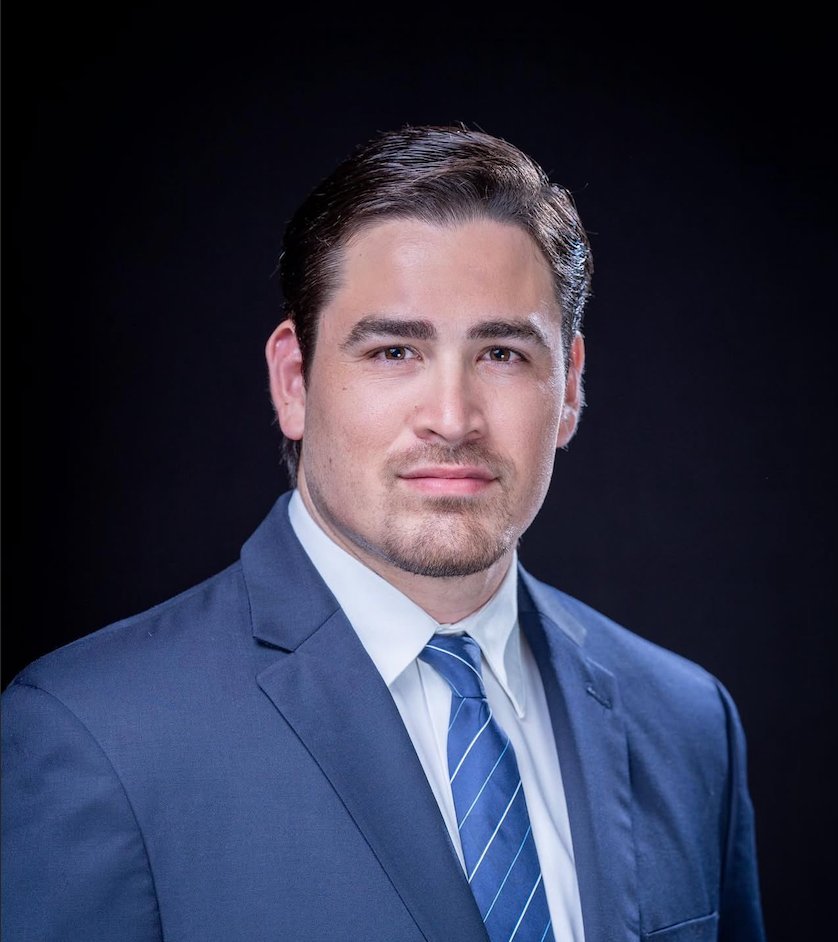
Tyler Warner
Tyler matched into neurosurgery from a Caribbean medical school and founded Ranked to Match to help other IMGs and DOs match into competitive residencies. Every post is written from direct experience.