If you’re at a Caribbean medical school right now, you’ve already heard every version of “it’s going to be hard.” That’s true. What no one tells you is that the obstacles are predictable — and that predictable obstacles have predictable solutions.
I went from a Caribbean medical school to a U.S. neurosurgery residency. Not because I was smarter than anyone else, but because I reverse-engineered exactly what it takes and refused to let a single variable slide. Here is what actually works.
The real numbers for Caribbean IMGs in 2026
The NRMP Match Data and ECFMG Charting Outcomes tell the real story. For Caribbean graduates (non-U.S. IMGs):
- Overall match rate: ~60% for first-time applicants, down from pre-pandemic peaks.
- Top 4 specialties by IMG match volume: Internal Medicine, Family Medicine, Psychiatry, Pediatrics.
- Historically “closed” specialties that IMGs do match into every year: General Surgery, Neurology, Pathology, Anesthesiology, EM, PM&R — and yes, even Neurosurgery, Derm, and Ortho (in low numbers).
- The single strongest predictor of match: Step 2 CK score + U.S. clinical experience + quality research.
The match is hard. It is not impossible. Most of the “impossible” stories come from applicants who were not strategic.
Obstacle #1 — Pre-clinical isolation
The first 4–5 semesters of a Caribbean program are typically on-island or at a remote U.S. campus. You are far from U.S. academic networks, U.S. research labs, and U.S. mentors. This is the single biggest early deficit to counter.
What to do:
- Pick up a virtual research project in your first year. Reach out to U.S. academic PIs cold. Offer to do literature reviews, case write-ups, or data extraction. Most academic PIs have more projects than labor. The ones that don’t reply aren’t the problem — keep going.
- Start building your specialty target early. Narrow by MS2. Every research hour should stack toward one specialty.
- Find a mentor — an attending or resident in your target specialty who is willing to talk monthly. LinkedIn, Doximity, specialty-specific Facebook groups. A real mentor changes your trajectory more than any single exam score.
Obstacle #2 — Step 1 pass/fail + the Step 2 ceiling
Step 2 CK is now the most important quantitative metric on your application. For IMGs, target 10 points above the mean matched score for your specialty. That’s not an opinion — it’s what the data shows reliably separates IMG applicants who interview broadly from those who don’t.
What to do:
- Dedicate study time. 6–8 weeks full-time for Step 1, 4–6 weeks for Step 2 CK. UWorld is mandatory. Amboss for harder questions. NBME assessments are the single best predictor.
- Start early. The students who blow up Step 2 CK start UWorld in MS2 and run one pass during core rotations.
- Do not take Step 2 CK “when you’re ready.” Book it, then make yourself ready. Procrastinated Step 2 CKs are the single most common self-inflicted wound I see.
Obstacle #3 — Clinical rotations in non-academic sites
Most Caribbean rotations are at community hospitals or non-university sites. Program directors don’t discount these rotations per se — but they absolutely weigh letters from core faculty at academic programs more heavily.
What to do:
- Stack core rotations in U.S. teaching hospitals wherever possible. Green Book programs (with residents) > non-teaching sites. The difference on interview day is enormous.
- Do at least 2 aways (3–4 for competitive specialties) at U.S. academic programs. This is non-negotiable for a competitive match.
- Work like you’re on an extended audition on every rotation — core or away. Residents and attendings talk. A reputation spreads through a program’s alumni network faster than you think.
Obstacle #4 — The letter gap
Generic, tepid letters are the silent killer of Caribbean applications. A letter from an attending who “barely knows you” reads exactly that way — no matter how nice the wording.
What to do:
- Work 1:1 with 3–5 attendings per rotation. Be in the OR/clinic earlier, stay later, take the unglamorous scut. You want letter-writers who can describe specific moments where you demonstrated capability.
- Chair letters matter. If you can get a chair or program director letter from an away, it’s a disproportionately strong signal.
- Request letters at the end of the rotation, in person. Ask whether they can write a strong letter — gives them an out, and strong letters come back.
Obstacle #5 — The research gap
The median U.S. MD applicant to a competitive specialty has 5–10 research products. You need more. IMG applicants who match into competitive specialties typically have 10–20 abstracts, posters, and papers.
What to do:
- Case reports + case series + systematic reviews. High-yield, student-completable, no IRB barrier (most cases), and they get published. Meta-analyses are a single semester of work with the right PI.
- Attend specialty conferences. Present a poster. Shake hands. These are networking events as much as scientific ones.
- Quality matters, but quantity opens the door. A PubMed-indexed publication is worth 5 in-house posters.
Obstacle #6 — The perception gap
Some program directors will still score your application lower because of the Caribbean flag. You cannot argue yourself out of this — you overwhelm it with the rest of the application.
What wins:
- A Step 2 CK above the specialty’s mean.
- A publication in your target specialty’s flagship journal.
- A strong letter from a program director or chair at a U.S. academic program, ideally following an away rotation.
- Specificity in your personal statement that proves you’ve thought deeply about your specialty.
- An interview where you sound like someone who has been on the wards for years, not someone who memorized talking points.
Obstacle #7 — The program list
Do not build your list from prestige rankings. Build it from data. Which programs have actually interviewed and matched IMGs in the last three years? FREIDA, Residency Explorer, program website listings of current residents, specialty-specific IMG spreadsheets — they all tell you what a program actually does.
Rule of thumb:
- 70% IMG-friendly programs where the numbers give you a real shot
- 20% reach programs where you have a specific hook (away, research, alumni)
- 10% stretch programs where you don’t — apply anyway, sometimes the math surprises you
Obstacle #8 — The interview day
Program directors interview hundreds of applicants. By 3 PM on a long day, they’re tired. Your job is to be the candidate they remember.
How:
- Show up with specific, researched questions for every single interviewer.
- Bring one anchor story they’ll remember you by — the thing you talk about that makes them say “oh yeah, the Caribbean grad who did X.”
- Be warm. Medicine is a long career with difficult people. Programs rank people they want to see every day for 4–7 years.
The honest truth
The Caribbean is not a death sentence for your match. It is a harder starting position. The students who beat it don’t beat it with hope — they beat it with a plan, relentless execution, and the right mentorship.
If you’re reading this and you’re somewhere in the middle of that process, the single best thing you can do right now is look at the next 12 months and build a specific week-by-week plan. Research targets. Rotation order. Step dates. Away timing. Letter strategy. Program list drafts. Signals.
That’s what we help with every day. Whether or not we work together, make the plan.
Ready to stop guessing and start matching?
Book a free 30-minute strategy call with Tyler and the Ranked to Match team — no pitch, no obligation.
Book a Free Consultation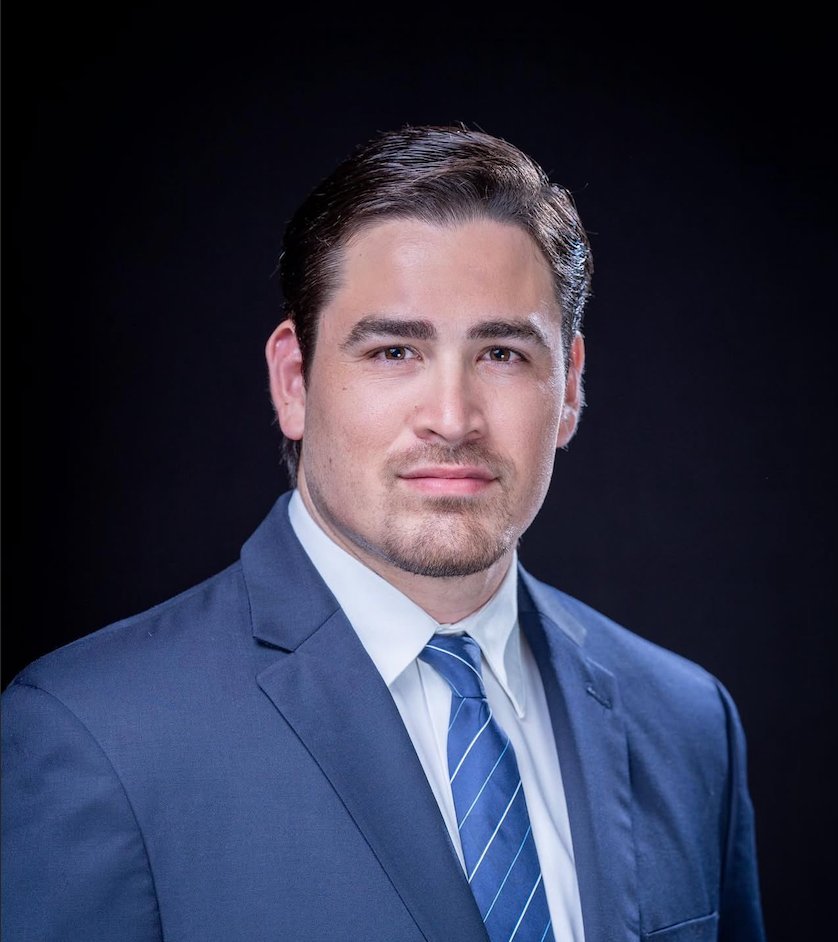
Tyler Warner
Tyler matched into neurosurgery from a Caribbean medical school and founded Ranked to Match to help other IMGs and DOs match into competitive residencies. Every post is written from direct experience.